
Stay curious and keep learning.
It is difficult to sum my philosophy around horsemanship into a few paragraphs on a page. A few words to help describe perhaps; holistic, horse centered, progression, and always, when in doubt back to basics.
I was fortunate to be trained by a generation almost gone, or non-existent today — those who grew up and were trained by the last generation of US Calvary riders. These instructors, based in dressage and Eventing, shaped, molded, and lit the way for my love and respect in the tradition and stability of classic riding.
This art is what I truly wish to pass on to my students — through centered horsemanship this knowledge can stay alive to the next generation.
Horse centered horsemanship may not always be pleasing to humans, but it is my philosophy to put the well-being of these creatures first in everything we do.
As I have vowed to be a continuous student of the horse. I continue my education in horsemanship and riding:
Currently I am looking to test for my final USPC ‘A’ Level certificate in Horse Management at DevonWood. This will allow more opportunities to become a regional and national clinician, and hopefully examiner for this invaluable equine organization.
Additionally, I am looking to become certified though the United States Eventing Association (USEA) Eventing Coaches Program (ECP). Attending workshops to continue my education.
I continue to audit other instructors and explore additional learning opportunities as this is my life calling.
My lesson to you: never stop learning! If you think you know it all already, you will become stagnate in your ways and forget to progress.
Remain true to your inner voice.
Everything Begins with Biomechanics:
Biomechanics is the art of the rider’s communication with the horse, through each breath, thought, and micro-movement. It is a passion of mine to help riders become more aware of how their body directly impacts their horse’s.
“A good balanced seat is less active than people believe. To be in unity with your horse’s movement and balance requires much less active movement than you might think”, Bob Wood.
Gently hold the horse’s hand, guide them. You will have to be the first to reach out the hand of trust, especially if you’re both scared. Be scared, but do it anyway.
Ray Hunt said, “First you go with them, then they go with you, then you go together.”
I cannot talk about my philosophy without mentioning the invaluable life lessons learned through the United States Pony Clubs. I owe my knowledge and gratitude to those who came before me and helped me along the way up my levels. Without the structure and knowledge that this organization provides into the equine industry, I would not be where I am today. It has opened many doors for my dreams and allowed me to give back, in training me, to pass on my knowledge to the next generation of students.
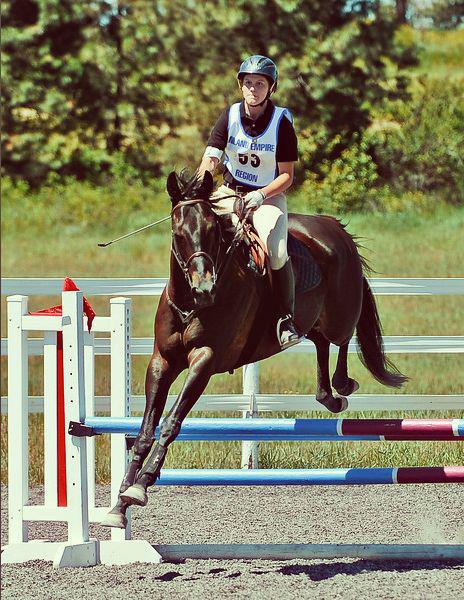
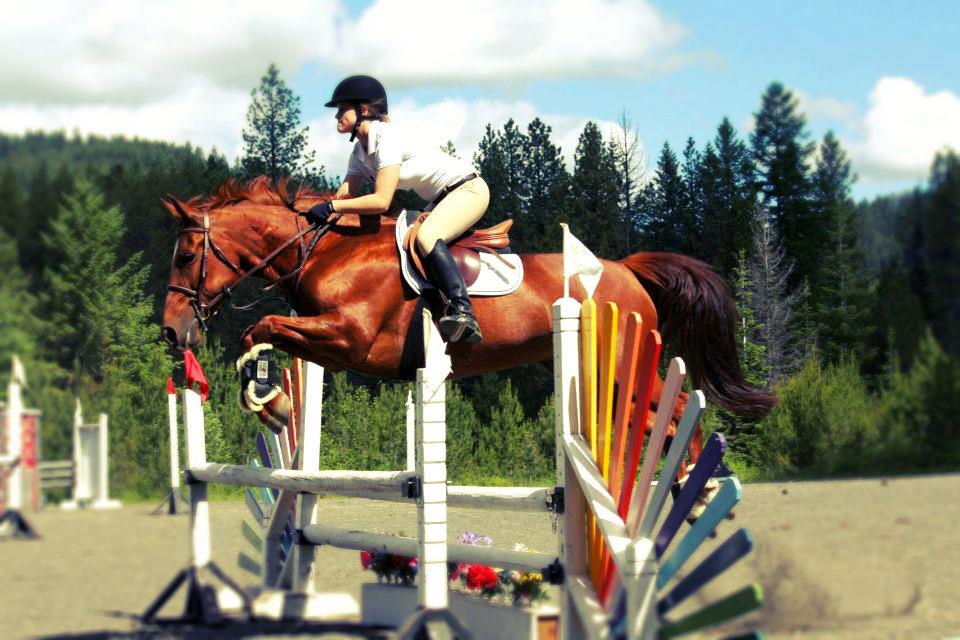
My foundation is in classic British Dressage, though two and three day Eventing, is my true passion and what I spent most of my life doing in riding. I rely on a systematic and structured plan curated for each student and horse.
My journey with horses has taken me down many routes; natural horsemanship, training of the horse, classic French Dressage, training jumping horses, training the rider, working student, groom, emotional support person, riding camp counselor, horse management instructor, bandaging extraordinaire, and finally one leg of my most favorite journey yet: riding instructor.
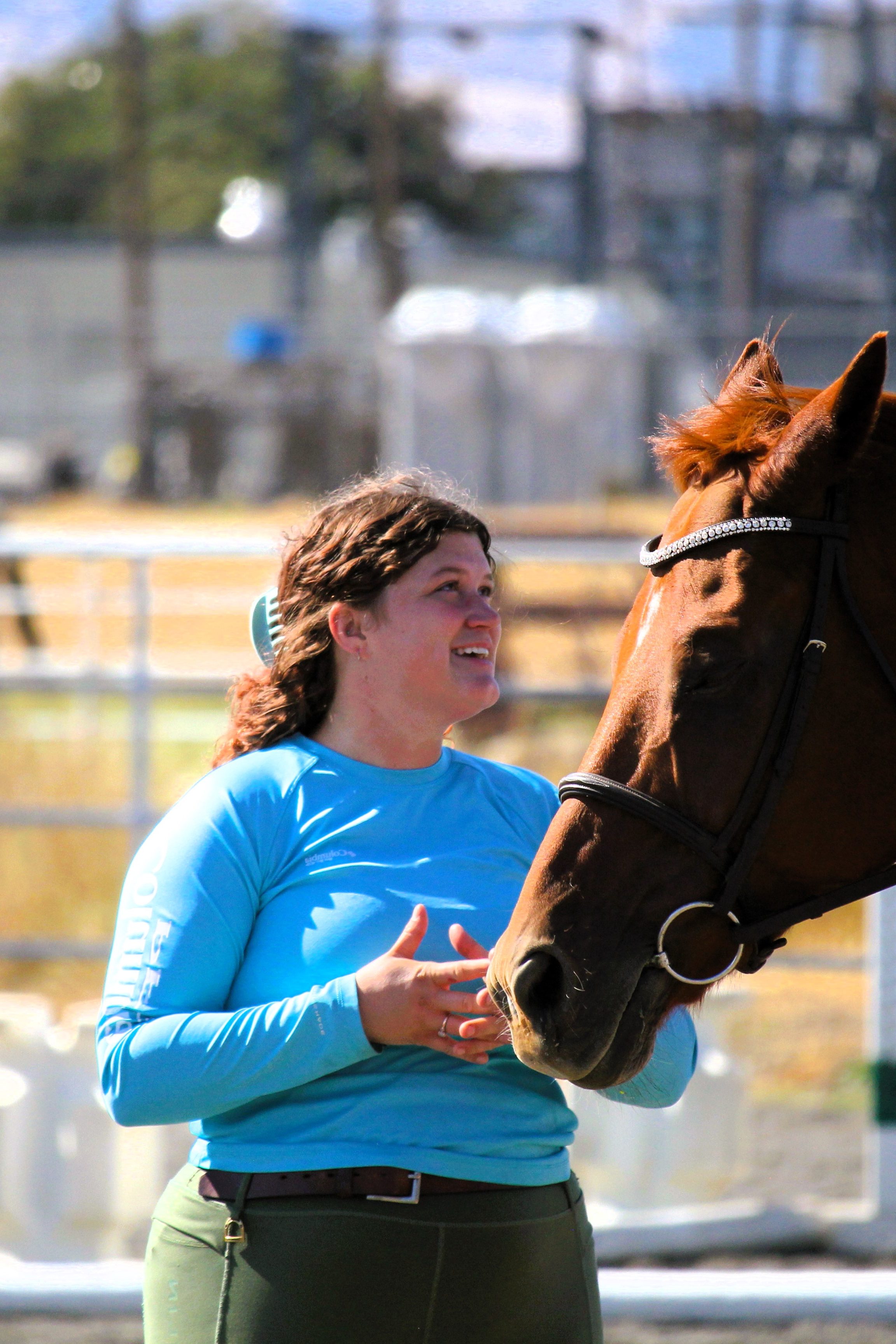
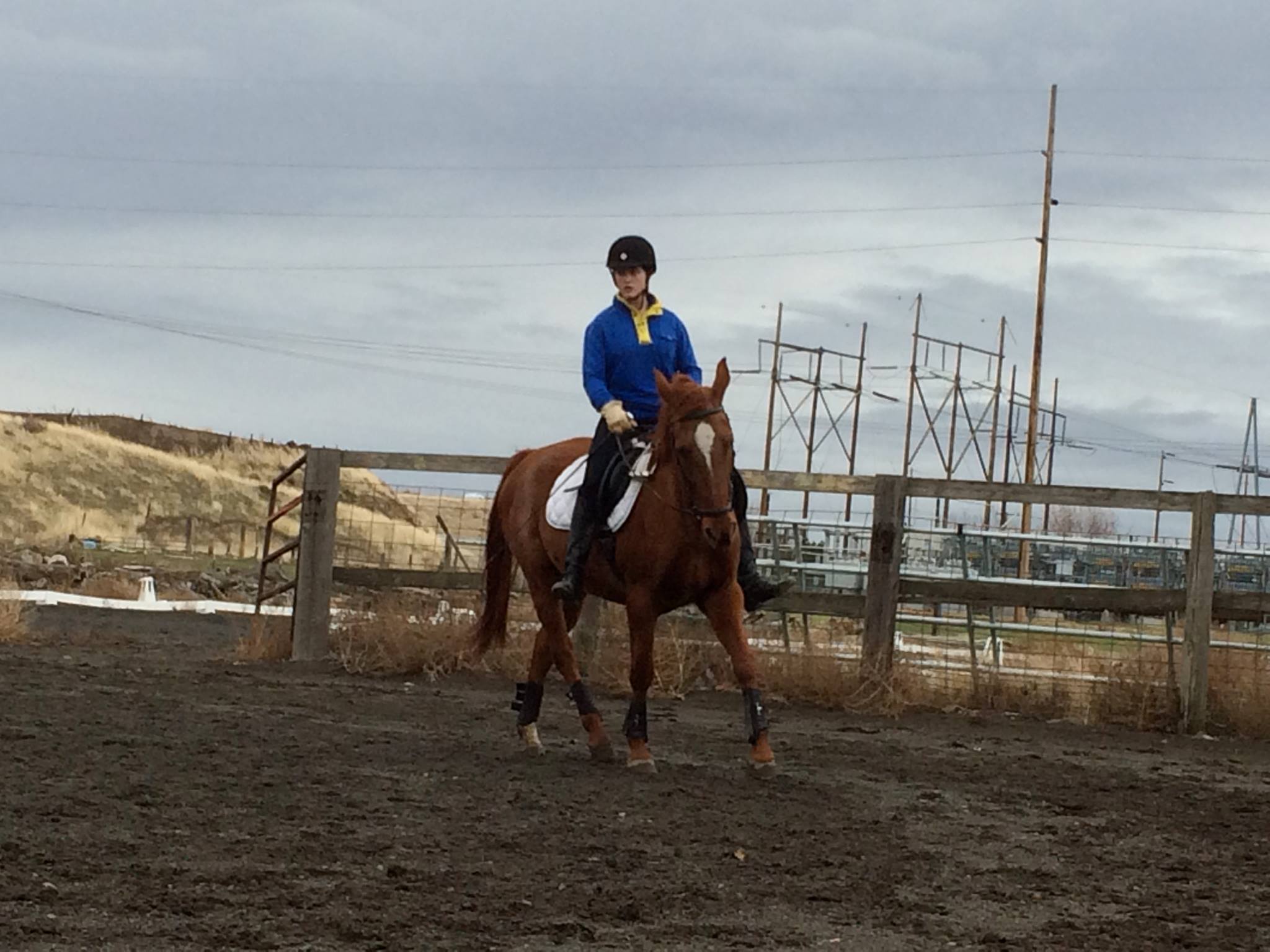

Why fix what ain’t broke. A few of my inspirations:
Nuno Oliveria
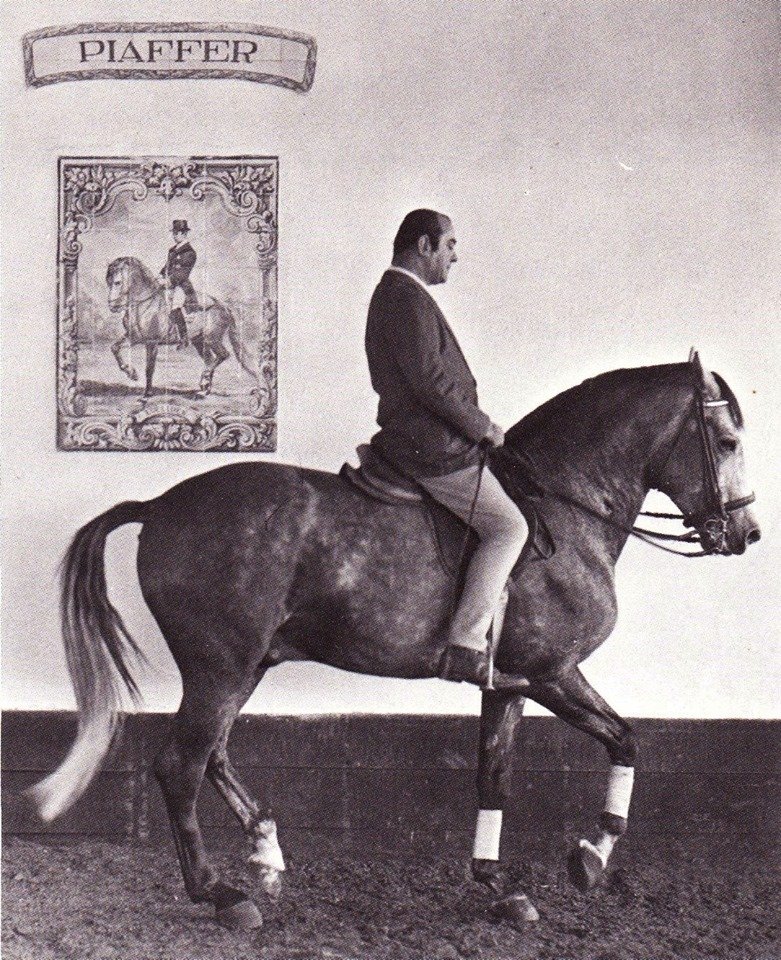
Nuno Oliveira told us: ‘If the horse is happy, everything will be all right; if he is constrained everything will go wrong. And in case that it is necessary to use force, then one enters a domain that does not fit the equestrian art, neither for that matter, in the circle in which civilized people dwell’.
“I urge my readers to apply the aids to help the horse, not to put him in a mold.”
Barbier Farms
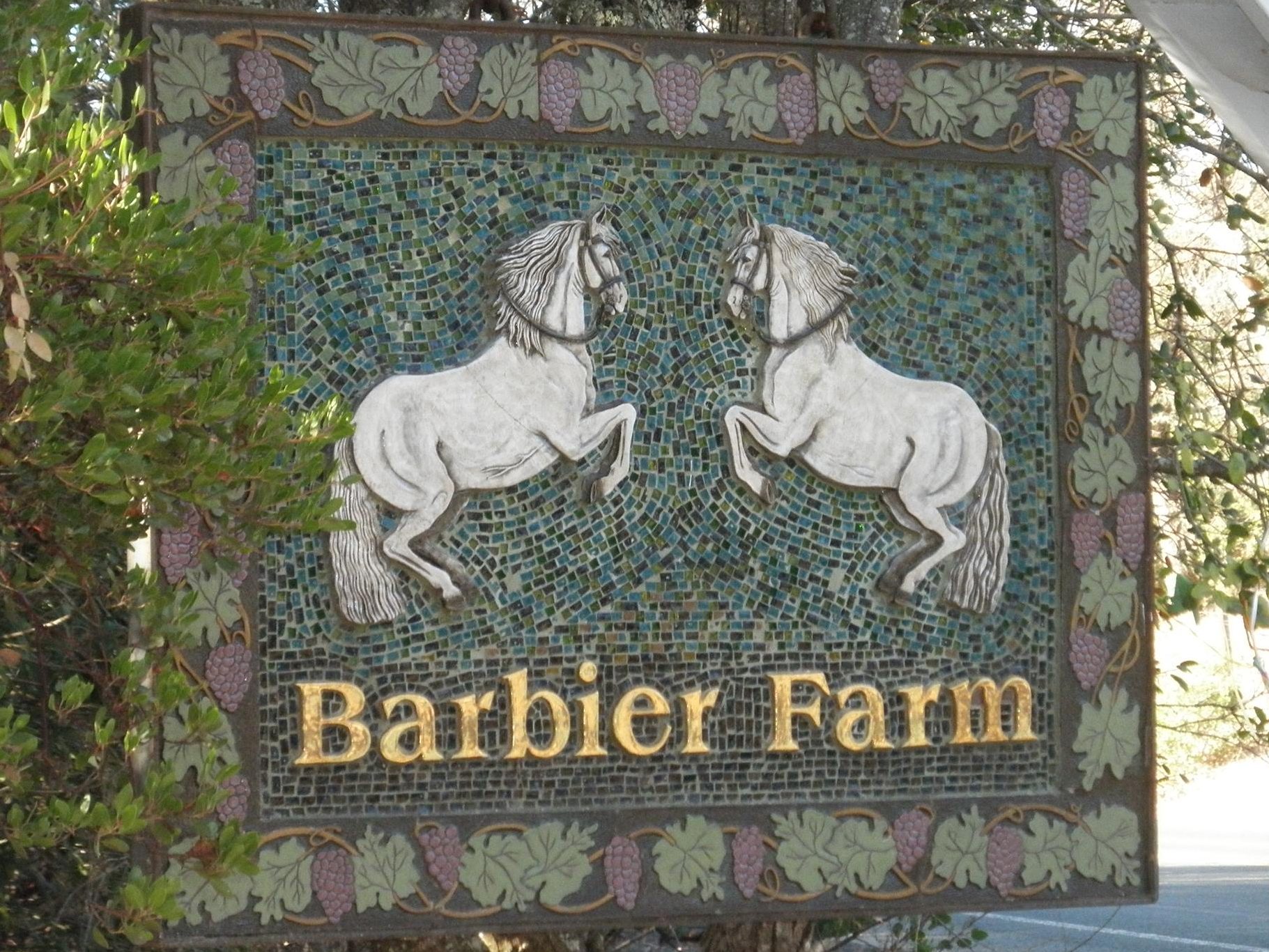
After my time at Barbier Farms my true equestrian passion had been unlocked in the art and never ending journey of training. To assist both horses and horses with their people in better communication and understanding.
Lucinda Green
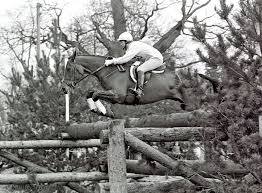
Lucinda Green teaches:
“Before you go fast, you must go slow.”
“The rider that learns to look after the Engine, Line and Balance of his horse on the Approach and allows his horse to make the decisions about where he takes off, repeatedly puts in a smooth and confident performance”
Beezie Madden

One of the greatest Grand Prix Jumpers in U.S history:
Olympic gold medalist, FEI World Champion, the first woman and first American rider to ever reach the top three in the Show Jumping World Ranking List and the first woman to pass the million-dollar mark in show jumping earnings.
If you’re looking for jump-position correctness, look no further!
Jimmy Wofford
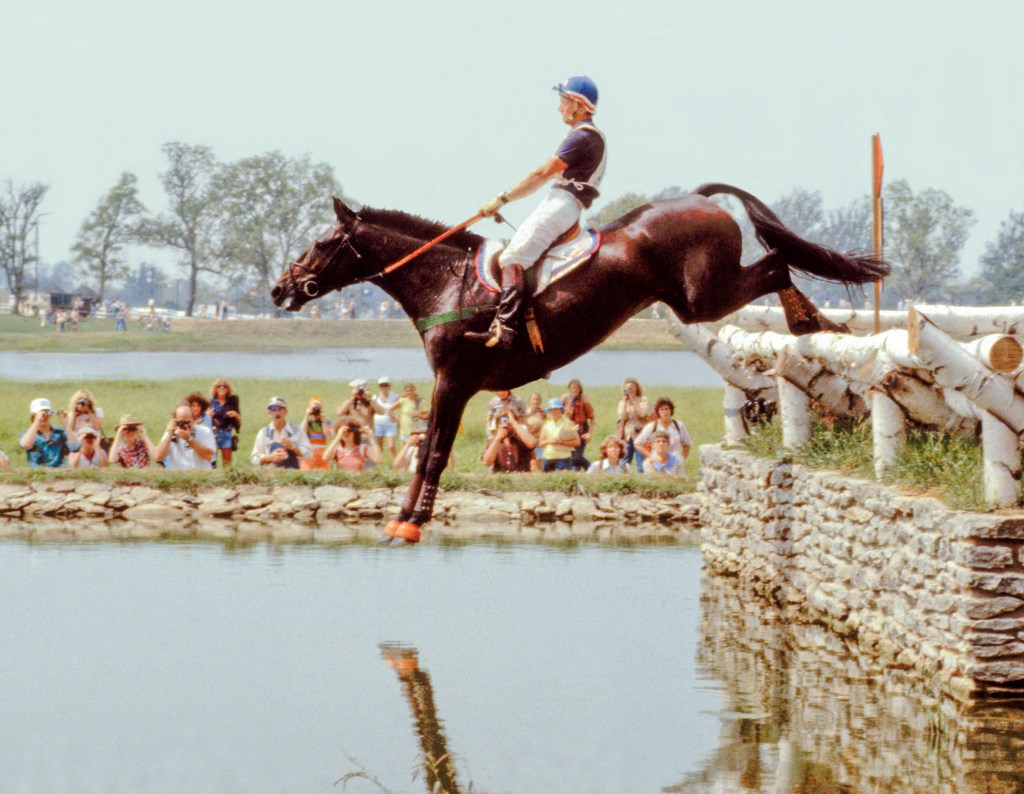
His philosophies, training, and books taught me so much about training jumping horses.
“Certainly we need great movers and powerful jumpers, but above all we need horses who are supremely courageous, fiercly independent and phenomenally agille. Find such a horse and treasure him. Teach him that you will trust him with your life. Give him the education he will need, and then sit quietly while he does the job you have taught him. He won’t let you down. We owe all this and more to our horses”.
“The horse isn’t so different from us. In order to learn, you have to make mistakes. Then you recalibrate, make a decision, try something different, and try again.”
― Buck Brannaman
 Aplomb Equine